Why Your Business Needs Its Own Website Even If You Already Sell on Shopee and Lazada
"We already sell well on Shopee and Lazada, so why bother building a website?"
It sounds like a reasonable question. Marketplaces offer a massive pool of ready-to-buy customers, built-in payment systems, logistics support, and discount campaigns that help boost sales. For startups, marketplaces are an incredible shortcut.
However, if you look three to five years down the road, businesses that rely solely on marketplaces are essentially building their empire on rented land. This article explains why having your own website is essential, even if your platform sales are currently booming.
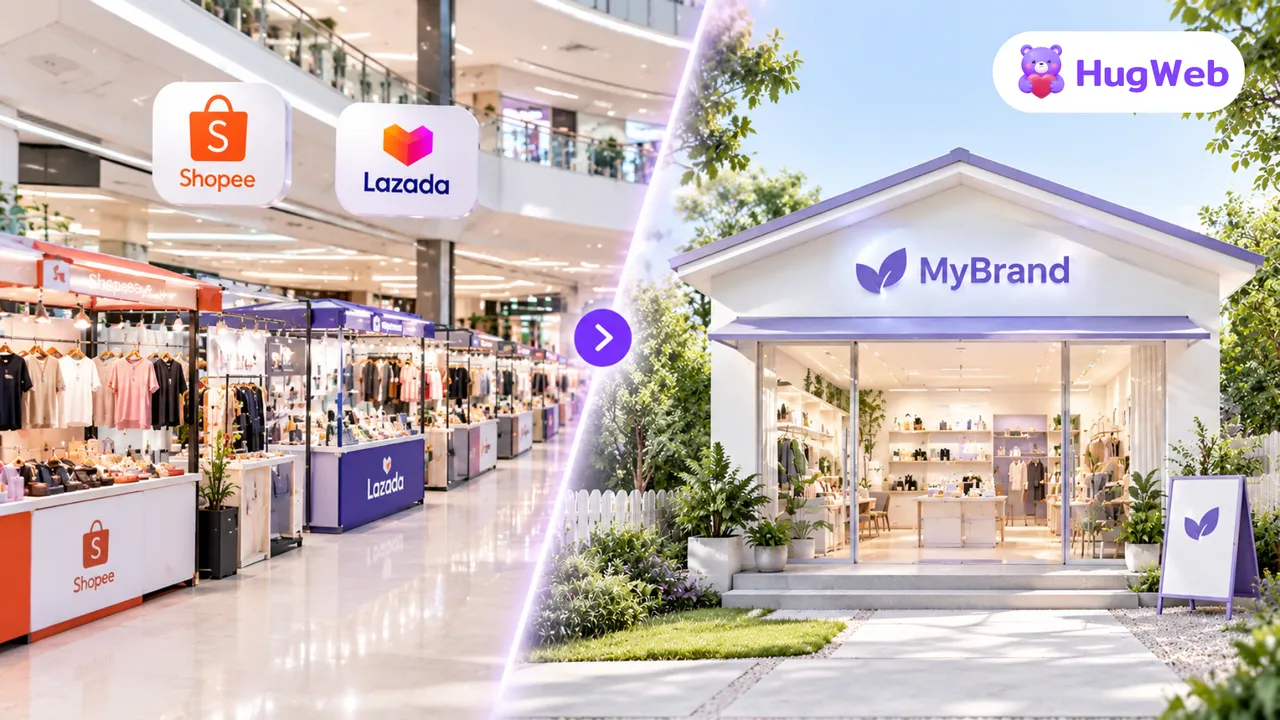
A Marketplace Is "Rented Land," While a Website Is "Your Own Home"
Imagine a shop in a bustling shopping mall with great foot traffic. The location is prime, but the mall sets the rules, raises rent whenever they want, restricts how you can decorate, and customers remember the mall's name far more than yours.
Marketplaces work the exact same way. On the other hand, your own website is a home that you fully own, where you set all the rules, and where no one can change the game halfway through.
5 Reasons Why Your Business Needs Its Own Website
1. Constantly Increasing Fees
Marketplaces charge selling fees, payment gateway fees, and campaign participation fees, all of which tend to increase over time. For products with low profit margins, every percentage increase directly eats into your profits.
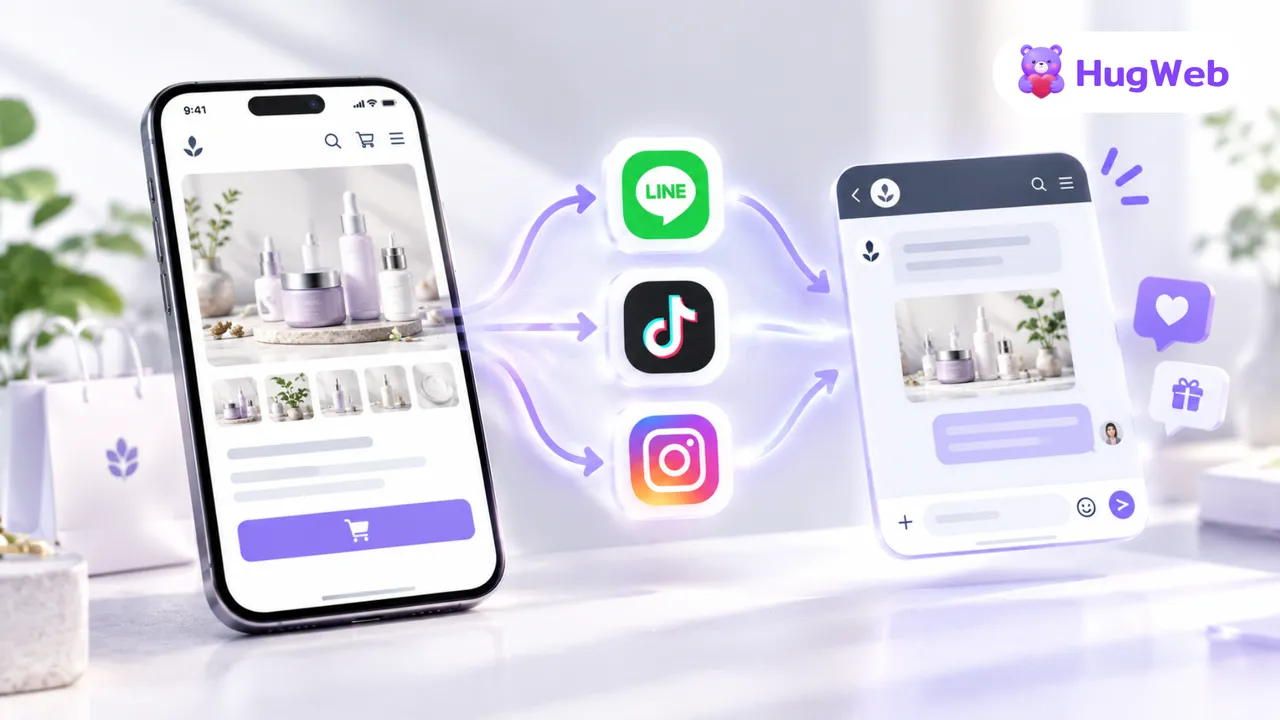
Having your own website allows you to bring loyal customers back to purchase directly through your own channels—such as checking out via the web and continuing the chat on LINE OA—thereby reducing the share of sales subject to platform fees.
2. Customers Belong to the Platform, Not You
On a marketplace, your access to customer data is limited, making it difficult to reach out and pitch new products effectively. Many customers only remember that they bought something "from Shopee," rather than your actual brand name.
A website allows you to build direct relationships with your customers, inviting them to add your LINE OA or follow your social media channels, creating a customer base that you can nurture independently in the long run.
3. Full Freedom in Online Branding
On a marketplace, every shop looks identical, uses the same templates, and competes primarily on price. Customers scroll through multiple products at once and choose the cheapest option.
A website is a space where you can fully tell your brand's story: the origin of your products, raw materials, manufacturing processes, core values, and real customer reviews. These elements make customers remember you and willing to pay because they "believe in the brand," not because you are the cheapest. This is the heart of online branding.
4. Reducing Risk from Relying on a Single Channel
Platform policies can change at any time, and search algorithms shift just as quickly. Some businesses have experienced sudden drops in sales because their products were pushed to the back pages, or their accounts were temporarily suspended without warning.
Businesses with their own website always have a controlled backup channel. If one channel runs into trouble, customers can still find you.
5. Credibility for New Customer Groups
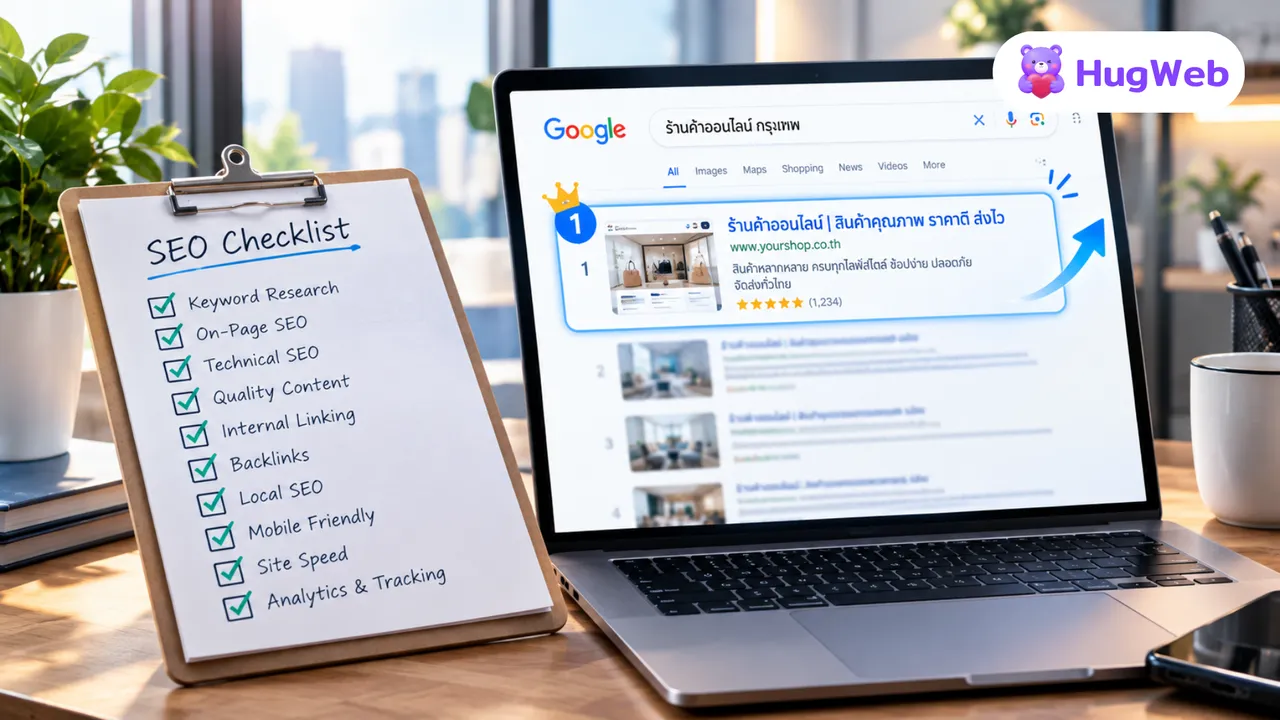
Corporate clients, distributors, or business partners usually search for a brand name on Google before deciding to make contact. If a search only brings up a marketplace storefront, credibility might be lower. However, finding a professional website complete with company information, contact channels, and a portfolio opens the door to bigger business opportunities.
No Need to Choose: Use Both Channels to Complement Each Other
Having a website doesn't mean you have to stop selling on marketplaces. Successful businesses typically use both channels by assigning them distinct roles:
Role | Marketplace | Your Own Website |
Acquiring New Customers | Excellent (people are already searching for products) | Excellent for the long term through SEO and social media |
Building a Brand | Limited | Fully customizable |
Customer Relationships | Limited | Direct ownership |
Fee Per Order | Yes | Lower or none |
Control Rules & Storefront | Determined by the platform | Fully controlled by you |
A practical approach is to use marketplaces to acquire new customers, then encourage customers who love your products to follow your brand via your website and LINE OA—for instance, by including a thank-you card with a QR code inside your delivery packages so future purchases happen on your own channels.
"But Building a Website Is Complicated" — No Longer True
The reason many shops still lack a website isn't because they don't see its importance, but because they assume it requires a high budget, coding skills, and difficult maintenance.
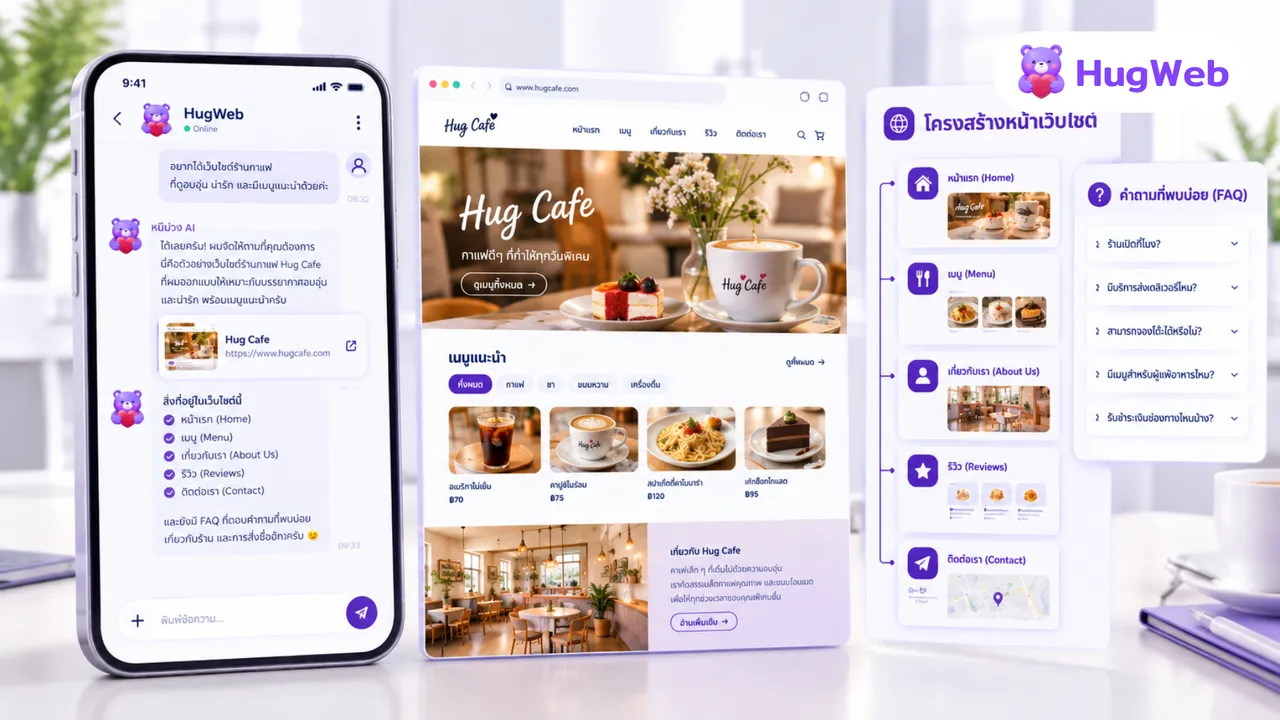
Today, AI website builders have completely changed this. On HugWeb, you simply chat and tell Nong Mee Muang about your shop in Thai or English, such as:
"A shop selling hand-woven Thai fabrics from Sakon Nakhon. I want a story page about the weaver community, a product catalog page, and a checkout button via LINE."
The AI will generate your website structure instantly. From there, you can easily add real photos and customize it yourself—no coding required.
Summary
Marketplaces are fantastic sales channels, but they should not be your business's only channel. Your own website allows you to truly own your brand and customer base, reduces platform dependence, and builds stable long-term growth. Businesses that start building their brand on their own space today will hold the upper hand when price competition on marketplaces intensifies.
👉 Build your website with HugWeb — create your brand's home effortlessly with AI chat, no coding required.